

How do commercial steel buildings improve energy efficiency?
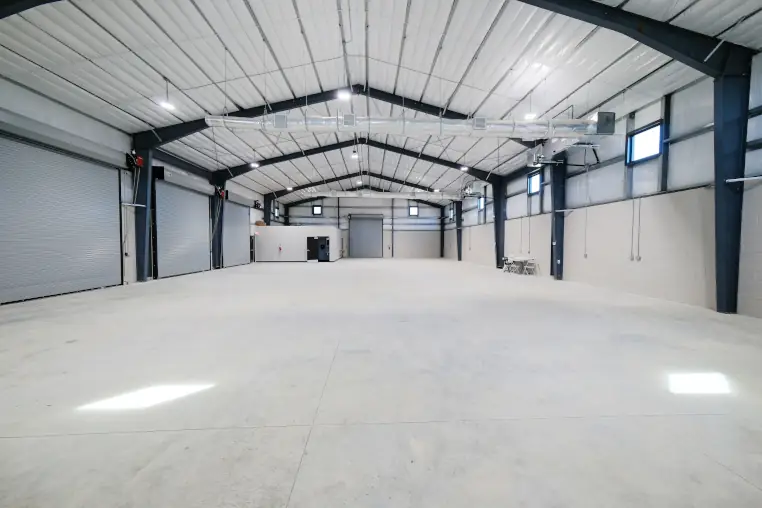
Commercial steel buildings improve energy efficiency through high-performance insulation, airtight construction, and flexible designs that maximize natural lighting and ventilation. These features reduce heating and cooling costs, support sustainability goals, and can qualify buildings for green certifications and tax incentives.
Energy efficiency is increasingly important for commercial buildings, both to reduce operating costs and meet sustainability goals. Businesses today are under pressure to lower energy consumption, comply with environmental standards, and provide comfortable workspaces, all without driving up construction or maintenance costs. Commercial steel buildings offer unique advantages in insulation, thermal performance, and design flexibility that help businesses save energy while maintaining full functionality. This article explores how prefabricated commercial steel construction contributes to energy efficiency and long-term utility savings, making it a smart choice for modern commercial projects.
Superior Insulation for Reduced Energy Costs
One of the most significant advantages of energy-efficient commercial buildings is reduced heating and cooling expenses. Steel buildings are highly compatible with high-performance insulation systems, which can be installed in walls, roofs, and floors to maintain consistent indoor temperatures.
When high-quality insulation is properly installed within the roof and wall systems, it reduces heat gain in hot weather and heat loss in cold seasons. This helps the building stay comfortable with less strain on HVAC equipment, allowing it to operate more efficiently and last longer. In turn, this translates into lower utility bills, less equipment wear, and a more comfortable environment for employees, clients, and tenants. For businesses that rely on temperature-sensitive operations, such as manufacturing or food storage, superior insulation is a critical advantage.
Design Flexibility Enhances Natural Lighting and Ventilation
Steel’s structural strength allows architects and engineers to create wide open spans without the need for load-bearing walls. This flexibility opens up new possibilities for energy-efficient design strategies. Natural light can be incorporated through skylights, clerestory windows, and large openings, reducing reliance on artificial lighting during daytime hours.
In addition, steel buildings can accommodate effective natural ventilation designs, including strategically placed vents and louvers that promote airflow throughout the space. By using these passive strategies alongside mechanical systems, businesses can further reduce energy consumption, improve indoor air quality, and create healthier work environments.
The ability to design open, light-filled, and ventilated spaces is particularly valuable for businesses seeking LEED certification or other green building recognition, as these features directly contribute to lower energy use and improved sustainability metrics.
Design Your Ideal Steel Building
Every project is unique -your building should be too. Explore Allied Steel’s customization options and design features to create a structure that fits your exact needs.

Energy Efficiency Supports Sustainability Goals
Energy-efficient commercial steel buildings not only reduce operating costs but also support broader environmental objectives. Steel is 100 percent recyclable and can be reused without losing strength, making it a highly sustainable building material. Using steel reduces reliance on natural resources such as wood while lowering construction waste through precise fabrication and pre-engineered components.
Commercial steel buildings designed for energy efficiency often qualify for green certifications such as LEED, ENERGY STAR, or other industry-recognized standards. These certifications can enhance a company’s brand image, attract environmentally conscious tenants or clients, and sometimes provide access to tax incentives or rebates for energy-saving investments. Steel construction, combined with energy-conscious design, helps businesses achieve these sustainability goals while maintaining practicality and durability.
Long-Term Savings and Operational Efficiency
Energy efficiency is not just about immediate savings. It also impacts long-term operational costs. A steel building with superior insulation, optimized lighting, and effective ventilation will consistently consume less energy over its lifetime. Lower utility bills accumulate to substantial savings for the business, offsetting the initial investment in energy-efficient materials and design.
In addition, steel buildings require less ongoing maintenance than traditional wood or concrete structures. Steel does not warp, rot, or attract pests, so insulation and energy-saving systems remain effective for decades. This combination of energy efficiency and durability makes commercial steel buildings a financially smart and environmentally responsible choice.
Conclusion: Why Energy-Efficient Steel Buildings Are the Smart Choice
The benefits of energy-efficient commercial buildings are clear. Steel construction offers superior insulation, design flexibility for natural light and ventilation, support for green certifications, and long-term savings through reduced energy consumption and maintenance. For businesses looking to reduce costs, improve sustainability, and create high-performing spaces, commercial steel buildings offer a reliable, future-proof solution.
Allied Steel’s team of experts is ready to help you explore how energy-efficient steel construction can meet your unique project needs.
Have questions about energy-efficient commercial buildings?
Contact one of our knowledgeable team members today to discuss your project and explore the benefits of steel construction.