

Are steel buildings more durable than other commercial construction materials?
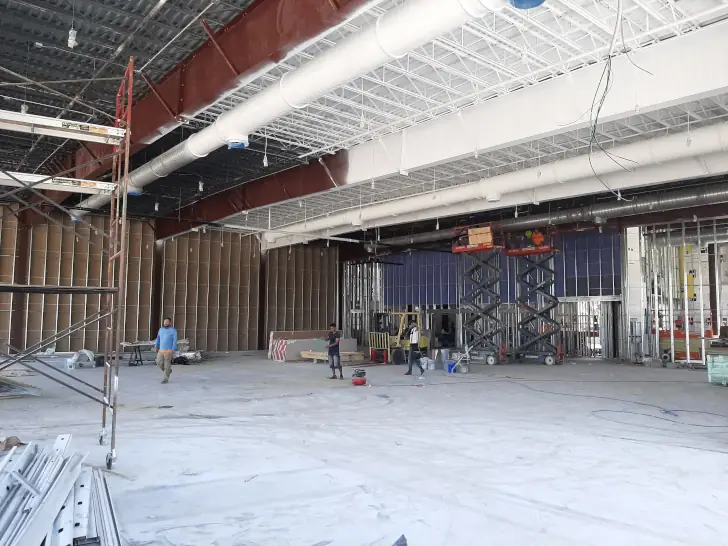
Steel construction speeds up commercial projects through pre-engineered components and modular assembly. Faster build times reduce labor costs, minimize on-site disruption, and allow businesses to start operations sooner while maintaining durability and quality.
Time is money in commercial construction, and choosing the right building material can have a major impact on project timelines. Steel commercial buildings offer significant advantages when it comes to construction speed. Pre-fabricated components, bolt-together designs, and simplified assembly allow steel buildings to go up faster than traditional construction. These features not only help businesses reduce labor costs but also enable them to start operations sooner and meet tight deadlines. This article explores how the speed of steel construction benefits commercial projects and why it is an increasingly popular choice for developers and business owners.
Pre-Engineered Steel Components Reduce On-Site Time
One of the primary reasons commercial steel buildings are faster to construct is the use of pre-engineered steel components. Unlike traditional construction, where much of the building is built from raw materials on-site, steel structures are designed and fabricated off-site with exact specifications. This pre-fabrication means that when the bolt-together components arrive at the job site, they are ready to be assembled.
Reducing on-site construction time has several advantages. It lowers labor costs, minimizes scheduling conflicts, and reduces the likelihood of delays caused by weather or material shortages. For commercial projects, these time savings can translate into months of earlier occupancy, allowing businesses to start operations and generate revenue sooner.
Bolt-Together Engineering Speeds Up Construction
Steel buildings are engineered for efficient, bolt-together assembly. Instead of traditional stick-built methods that require multiple trades working in tight, overlapping spaces, the primary framing, secondary members, and panels arrive pre-cut, pre-drilled, and ready to be fastened on-site. This precision manufacturing streamlines the erection process and reduces time spent on coordination and rework.
The bolt-together design also minimizes disruption at the job site. For businesses that need to stay operational during construction, such as warehouses, retail centers, or office campuses, this approach reduces noise, debris, and interference. The faster, cleaner assembly process helps projects stay on schedule while keeping surrounding areas safe and functional.
Faster Timelines Reduce Labor Costs and Improve Efficiency
Speed is not just about finishing the building sooner. It also has a direct impact on costs. Faster construction reduces the total number of labor hours required to complete a project, which can lead to significant savings for developers and business owners. By streamlining workflows and minimizing delays, steel construction ensures that resources are used efficiently, avoiding overtime expenses and extended equipment rentals.
In addition, completing construction faster reduces overhead costs associated with project management, site supervision, and temporary facilities. Businesses benefit from lower upfront expenses and can allocate those resources to operations, technology, or other strategic investments.
From Vision to Steel Structure
CURIOUS HOW IT ALL COMES TOGETHER?
Take a closer look at Allied Steel’s step-by-step design process. From initial concept through final plans and see how we turn your ideas into durable, high-performance buildings.

Meeting Deadlines and Seasonal Demands
Many commercial projects have strict deadlines or are influenced by seasonal considerations. For example, retail locations often aim to open before major shopping seasons, while industrial facilities may need to be operational to meet production schedules. Steel buildings offer a speed advantage that makes it easier to meet these critical timelines.
Because steel construction is less affected by weather-related delays than concrete or masonry, project managers can plan with greater confidence. Rain, snow, or extreme temperatures have less impact on steel framing, and pre-fabrication means much of the work occurs off-site in controlled environments. This reliability allows projects to remain on schedule and reduces the risk of costly delays.
Benefits Beyond Speed
The advantages of steel commercial construction speed go beyond just finishing the project quickly. Faster assembly allows businesses to move in sooner and start generating revenue, improving return on investment. The efficiency of steel construction also improves overall project predictability, making budgeting and planning more accurate.
Moreover, because steel is engineered to precise specifications, quality is maintained even with rapid construction. Unlike some fast-build alternatives that sacrifice structural integrity for speed, steel buildings combine efficiency with durability, ensuring that the building performs well for decades.
Conclusion: Steel Construction Speed as a Key Advantage
Time savings is a major factor in the benefits of commercial steel buildings. Pre-engineered components, modular construction, and simplified assembly contribute to shorter project timelines, reduced labor costs, and minimized disruption on-site. Businesses gain the ability to start operations sooner, meet deadlines more reliably, and enjoy a predictable, cost-effective construction process.
Allied Steel’s team of experts is ready to help you explore how steel construction speed can benefit your next commercial project. By choosing steel, you are not only investing in a durable, high-performing building but also in a faster, more efficient construction process that supports your business goals.
Have questions about steel construction speed or commercial steel buildings?
Contact one of Allied Steel’s knowledgeable team members today to discuss your project and learn how steel construction can save time and improve efficiency for your business.

